
As the global wave of plastic reduction continues, molded pulp is no longer limited to egg trays, tableware, or packaging inserts—it is gradually moving toward the more challenging field of pulp bottles. As an innovative alternative to plastic bottles, pulp bottles combine biodegradability, eco-friendliness, and consumer appeal, attracting the attention of global beverage, FMCG, and personal care brands. However, technical and cost barriers have yet to be fully overcome, keeping pulp bottles in a stage of high attention but limited large-scale adoption.
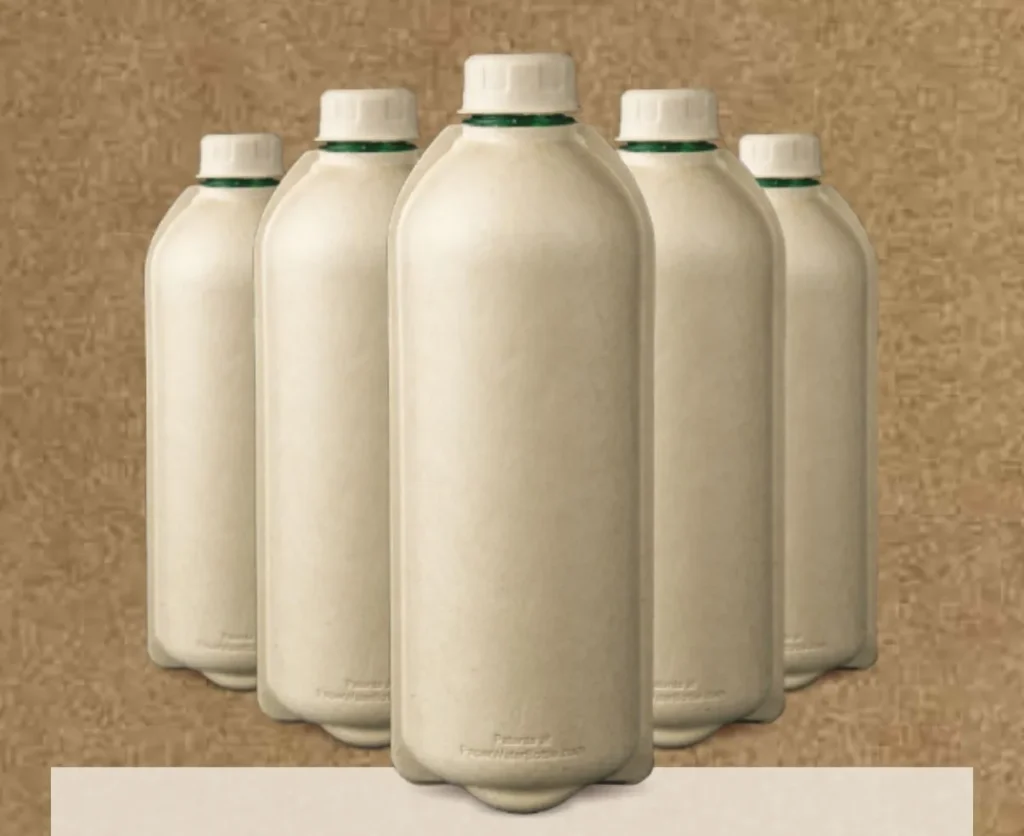
1. Core Advantages of Pulp Bottles
- Environmental Benefits: Made entirely from recycled paper or plant fibers (such as sugarcane bagasse, wheat straw, bamboo pulp), pulp bottles naturally decompose and align perfectly with ESG and carbon-neutral goals.
- Brand Value: Their unique natural texture enhances eco-friendly brand perception and strengthens consumer trust in sustainable products.
- Policy Support: Regions including the EU, the US, and India are progressively restricting single-use plastic bottles, creating regulatory incentives for pulp bottles.
2. Technical Hurdles Still to Be Solved
While pulp bottles have gained attention, replacing plastic bottles faces several challenges:
- Water and Liquid Resistance: Paper fibers are inherently sensitive to moisture. Barrier coatings are necessary but remain costly, and many are not fully recyclable.
- Strength and Durability: Bottles must withstand pressure during transport, storage, and handling. Current pulp bottles still fall short of PET or glass in terms of mechanical performance.
- High-Volume Production: Molding and hot-press processes are complex, production cycles are long, and yield rates are insufficient for large-scale beverage industry demands.
- Cost Competitiveness: Unit costs for pulp bottles are still 2–3 times higher than plastic bottles, limiting widespread adoption.
Thus, pulp bottles remain largely concept products, brand showcases, and small-scale pilots.
3. Growing Global Attention
- International Brands Engaged: Coca-Cola, Pepsi, L’Oréal, and Absolut Vodka have unveiled pulp bottle prototypes and are conducting limited-scale tests.
- Investment & R&D: European startups are focusing on pulp bottle-specific coatings, barrier membranes, and high-speed molding technologies, attracting significant venture interest.
- Consumer Awareness: Consumers are increasingly willing to pay a premium for sustainable packaging, elevating market expectations for pulp bottles.
4. Opportunities in the Indian Market
India, as one of the most populous countries in the world, is experiencing rapidly growing demand for plastic alternatives, making it a key opportunity for pulp bottles:
- Large Beverage Market: High consumption of bottled water, beverages, and personal care products creates a massive potential market.
- Policy Incentives: Indian government actively promotes plastic restrictions, encouraging domestic adoption of green packaging.
- Cost Advantage: Abundant agricultural by-products (sugarcane bagasse, wheat straw, rice straw) lower raw material costs.
- Innovation Acceptance: Indian consumers are curious about eco-friendly packaging, allowing brands to differentiate themselves.
Collaborations between Indian startups and European technology providers are underway, testing pulp bottles in bottled water and personal care products. While full-scale adoption is still pending, the market potential is widely recognized.
5. Future Outlook
In the short term, pulp bottles will mainly serve brand promotion, limited editions, and eco campaigns. In the medium term, breakthroughs in water-resistant coatings and high-speed hot-pressing will allow entry into bottled water and personal care markets. In the long term, with supportive policies and cost reductions, pulp bottles could become a mainstream sustainable bottle solution worldwide.
Conclusion
Pulp bottles represent not just a material innovation but a significant step toward a plastic-free packaging future. Although technical challenges remain, policy support, investment, and consumer demand are creating a favorable ecosystem. The Indian market, in particular, may become the first region to achieve scaled application, serving as a global demonstration for sustainable bottle solutions.