
In recent months, more and more people have been inquiring about pulp molded bottle manufacturing equipment. The idea of replacing plastic bottles with eco-friendly paper-based alternatives is undoubtedly attractive. However, while the concept is full of promise, the technology behind it is still in its early stages. Below, we answer the most common questions about this emerging field — and explain why large-scale production remains a challenge.
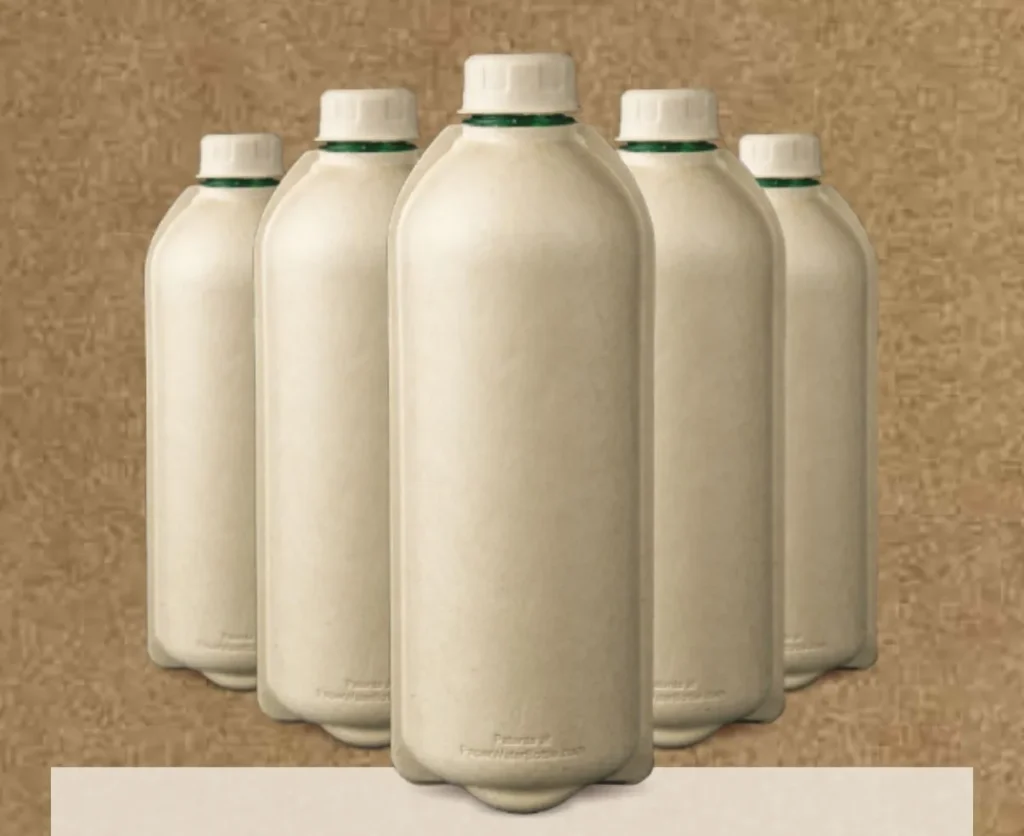
Q1: Why are pulp molded bottles attracting so much attention right now?
The global shift toward sustainable packaging is driving interest. Governments are enforcing plastic bans, brands are under pressure to reduce their carbon footprint, and consumers are demanding greener products.
Pulp molded bottles — made from recycled paper, bamboo, or bagasse — fit perfectly into this trend. They are biodegradable, renewable, and align with circular economy principles.
However, while the concept is sound, turning pulp into a bottle that performs like plastic is much harder than it looks.
Q2: What are the biggest technical challenges right now?
- Molding Precision
Pulp slurry is difficult to control. For bottle-shaped molds, especially those with narrow necks or curved surfaces, it’s hard to achieve uniform thickness and fine details. - Strength and Durability
Paper fibers can’t yet match the tensile or compression strength of PET or HDPE bottles. Pulp bottles may deform or crack under pressure or during transportation. - Water Resistance
The biggest problem — paper absorbs water. Without a coating, pulp bottles can’t safely contain liquids. Current coating technologies (like PLA or bio-based layers) improve performance but increase costs and complicate recycling. - Production Speed and Automation
Pulp molding lines are slower than plastic blow molding. High-speed, stable, and fully automatic production systems for bottles are still under development. - Surface Finish and Branding
The surface texture is rougher than plastic, limiting printing quality and shelf appeal for premium products.
Q3: Does that mean pulp bottles are not feasible?
Not at all — it just means they’re not yet ready for mass production.
Many research teams and equipment manufacturers are working on improving precision molding, coating technologies, and automated forming systems. Pilot-scale production already exists, and the results are improving every year.
At this stage, pulp bottles are best suited for niche or high-end applications, such as:
- Cosmetic packaging
- Cold beverages or dry products
- Promotional or eco-limited editions
Q4: What are the key technology breakthroughs needed?
To make pulp molded bottles commercially viable, the following breakthroughs are essential:
- High-precision, high-speed forming equipment that can handle complex bottle geometries.
- Integrated hot-press systems to strengthen structure and improve surface finish.
- Advanced biodegradable coatings that ensure waterproofing without compromising recyclability.
- Automated inspection and cutting systems to reduce manual labor and stabilize quality.
Q5: Should investors or manufacturers get involved now or wait?
Early involvement can be strategic — but with realistic expectations.
The pulp bottle industry is still at a pilot stage, and current investment should focus on R&D partnerships, small-scale production lines, and market testing, rather than immediate mass production.
In other words, it’s not yet a “fast-profit” industry, but rather a long-term sustainability opportunity. The companies that enter early will gain experience, patents, and brand positioning once the technology matures.
Q6: What’s the outlook for the next few years?
The outlook is bright but gradual. As molding precision improves and coating materials become cheaper and greener, pulp bottles will likely enter commercial use in cosmetics, specialty beverages, and e-commerce packaging within the next 3–5 years.
Full replacement of plastic bottles, however, will require a longer journey — combining equipment innovation, material science, and consumer acceptance.
Conclusion
The surge of interest in pulp molded bottle equipment proves one thing: the market is ready for change. But the technology isn’t — at least, not yet.
Those who understand both the potential and the limitations of pulp molding today will be best positioned to lead the industry tomorrow.