
Fiber molding and thermoforming technology is rapidly reshaping the perfume and skincare packaging industry, offering a sustainable, premium, and highly customizable alternative to plastic and foam-based materials. As global beauty brands shift toward eco-friendly solutions, molded fiber packaging is becoming a key innovation in both product protection and brand presentation.
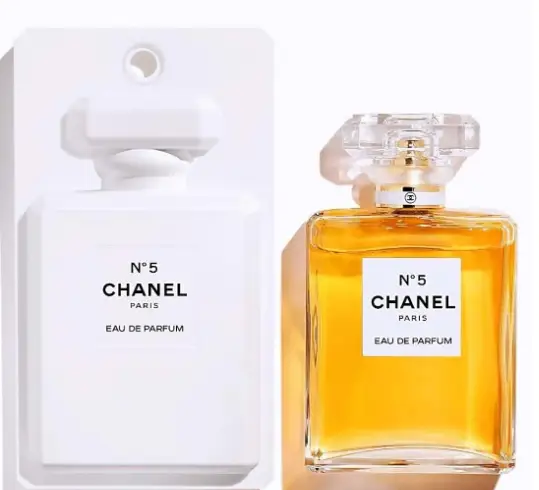
Why the Beauty Industry Is Moving Away from Plastic Packaging
Perfume and skincare products require packaging that delivers both visual appeal and structural protection. Traditionally, materials such as plastic trays, EVA foam, and blister packs have been widely used. However, these materials present several challenges:
- Environmental concerns (non-biodegradable waste)
- Increasing regulatory restrictions on plastics
- Rising consumer demand for sustainable luxury packaging
As a result, brands are actively adopting fiber-based packaging solutions to align with sustainability goals and enhance brand perception.
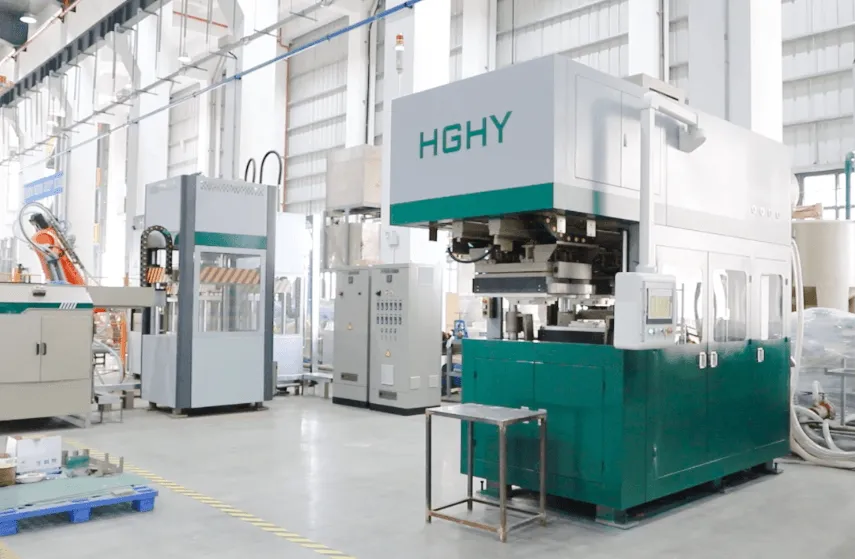
What Is Fiber Molding + Thermoforming in Beauty Packaging?
Fiber molding involves shaping pulp or plant fibers into specific forms, while thermoforming (hot pressing) enhances the structure, surface quality, and durability of the product.
Key characteristics:
- Made from renewable materials (bagasse, bamboo, recycled paper)
- Fully biodegradable and recyclable
- Compatible with high-end surface finishing
- Suitable for complex shapes and custom designs
This combination allows manufacturers to create packaging that meets both functional and aesthetic requirements of premium beauty products.
Key Impacts on Perfume Packaging
1. Premium Look with Sustainable Materials
Thermoformed fiber packaging can achieve:
- Smooth, refined surfaces
- Clean edges and precise contours
- Embossed or debossed branding
This enables perfume brands to maintain a luxury image while using eco-friendly materials.
2. Enhanced Protection for Fragile Glass Bottles
Perfume bottles are typically made of glass and require strong internal support.
Fiber molded inserts provide:
- High shock absorption
- Structural stability during transportation
- Custom-fit cavities for bottle shapes
This reduces breakage rates and improves logistics efficiency.
3. Lightweight and Cost-Efficient Packaging
Compared to traditional materials:
- Lower weight reduces shipping costs
- Stackable design improves storage efficiency
- Optimized production reduces material waste
Key Impacts on Skincare Packaging
1. Eco-Friendly Brand Positioning
Sustainability has become a core selling point in skincare. Fiber-based packaging helps brands:
- Communicate environmental responsibility
- Meet ESG and regulatory requirements
- Appeal to eco-conscious consumers
2. Versatile Design for Multi-Product Sets
Skincare products are often sold in sets (e.g., creams, serums, cleansers).
Fiber molding allows:
- Multi-compartment tray designs
- Secure placement for different container sizes
- Custom layouts for gift boxes and promotional kits
3. Compatibility with Advanced Finishing Techniques
Thermoformed fiber packaging supports:
- Coating for water and oil resistance
- Surface coloring and printing
- Lamination or hybrid packaging structures
This ensures both functionality and premium visual appeal.
Comparison: Fiber Molding vs Traditional Packaging Materials
| Feature | Fiber Molding | Plastic / Foam |
|---|---|---|
| Sustainability | Biodegradable, recyclable | Non-biodegradable |
| Appearance | Premium, customizable | Standard, limited eco appeal |
| Protection | High shock absorption | Moderate |
| Cost Efficiency | Competitive (long-term) | Lower upfront, higher environmental cost |
| Brand Value | High (eco-friendly positioning) | Decreasing |
Market Trends in Beauty Packaging
The adoption of fiber molding and thermoforming technology is driven by:
- Global bans and restrictions on single-use plastics
- Growth of sustainable luxury packaging
- Demand for biodegradable alternatives in cosmetics
- Increased focus on circular economy models
Major beauty brands are now integrating molded fiber packaging into their product lines to stay competitive and future-proof their packaging strategies.
Conclusion
Fiber molding and thermoforming technology is transforming perfume and skincare packaging by combining sustainability, protection, and premium design. It enables brands to replace traditional plastic materials without compromising quality or aesthetics.
As environmental regulations tighten and consumer expectations evolve, molded fiber packaging is expected to become a standard solution in the beauty industry.
 English
  Thai
Thai  Russian
  Vietnamese