
With the rapid growth of the takeaway and food delivery industry, the demand for sustainable packaging solutions is increasing dramatically. Traditional plastic packaging is gradually being replaced by eco-friendly alternatives, and molded pulp meal bags have become one of the most promising solutions.
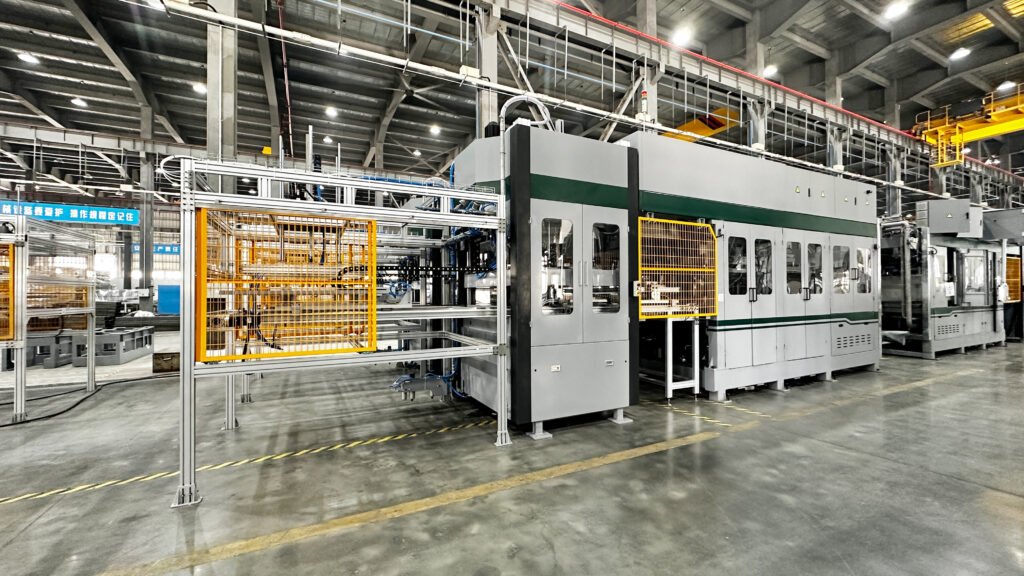
A pulp molded meal bag production line is a fully integrated system designed to convert waste paper or plant fibers into durable, biodegradable meal packaging. It combines automation, precision forming, and energy-efficient drying to deliver high-quality products suitable for modern food service applications.
What Is a Pulp Molded Meal Bag Production Line?
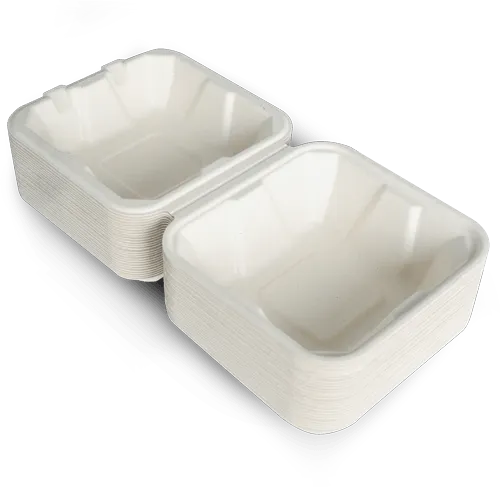
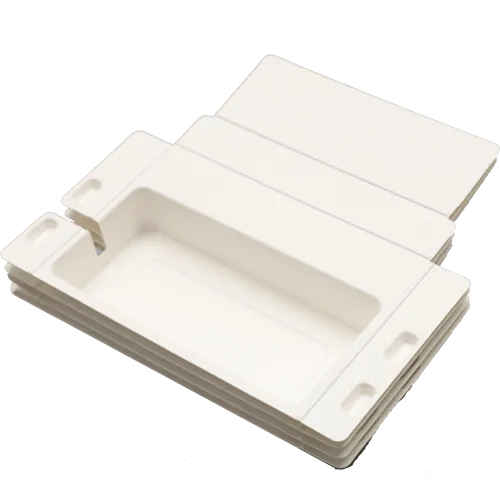
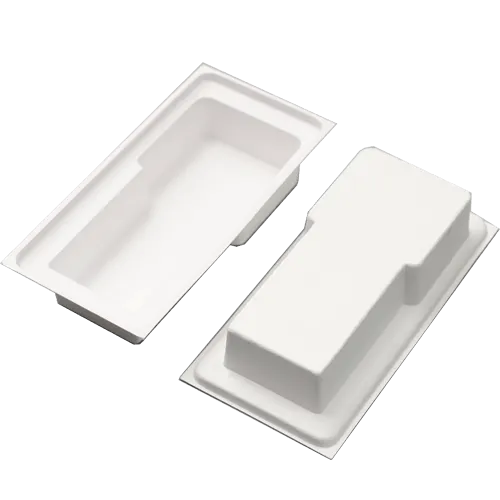
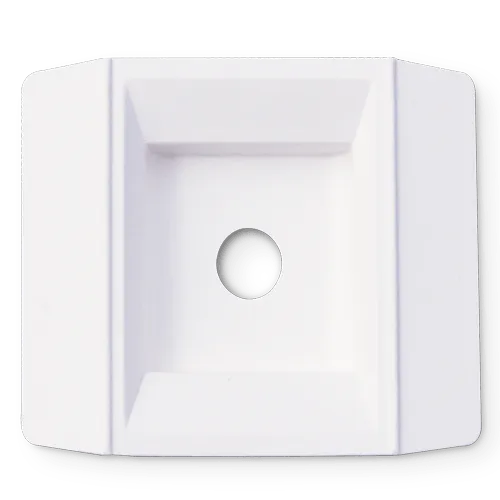
A pulp molded meal bag production line is an automated manufacturing system that produces meal packaging containers, trays, and food carriers from recycled pulp materials such as:
- Waste paper
- Sugarcane bagasse
- Bamboo fiber
- Wheat straw pulp
The system uses molding, forming, drying, and hot pressing technologies to shape pulp into strong, lightweight, and environmentally friendly meal packaging products.


Core Components of the Production Line
A modern pulp molded meal bag production line typically consists of the following key systems:
1. Pulping System
The pulping system processes raw materials into uniform pulp slurry. It includes:
- Hydrapulper
- Refiner
- Mixing tank
This stage ensures stable fiber consistency, which is critical for product strength and surface quality.
2. Forming System
The forming machine shapes the pulp into meal bag structures using precision molds.
Key features:
- High-precision aluminum molds
- Vacuum forming technology
- Stable cycle operation
This stage determines the final shape and structural integrity of the product.
3. Drying System
After forming, the wet products are transferred to the drying system.
Common drying methods include:
- Metal drying lines (multi-layer dryers)
- Brick kiln drying
- Natural drying (low-cost option)
The drying system significantly impacts production efficiency and energy consumption.
4. Hot Pressing System
Hot pressing improves product quality by enhancing:
- Surface smoothness
- Structural strength
- Water and oil resistance
This is especially important for food-grade meal packaging.
5. Automatic Packaging System
The final stage includes:
- Automatic stacking
- Counting system
- Conveyor integration
Fully automated systems reduce labor costs and improve consistency.
Key Advantages of Pulp Molded Meal Bag Production Line
1. Eco-Friendly and Sustainable
The entire production process uses renewable and recyclable materials, making it compliant with global environmental regulations.
2. High Automation
Modern systems integrate:
- Automatic feeding
- Robotic handling
- PLC intelligent control
This reduces manual intervention and improves production stability.
3. Cost Efficiency
- Low raw material cost (waste paper)
- Reduced labor requirements
- Scalable production capacity
These advantages make it highly attractive for investors.
4. Wide Application Range
Products can be used for:
- Takeaway meal packaging
- Food delivery containers
- Supermarket ready-meal trays
- Airline catering packaging
Conclusion
A pulp molded meal bag production line is not just a piece of equipment—it is a complete solution for entering the rapidly growing eco-friendly packaging industry. With increasing environmental awareness and regulatory pressure, molded pulp products are becoming the future of food packaging.
For businesses seeking sustainable growth, investing in this technology represents a strategic move toward profitability and environmental responsibility.
 English
  Thai
Thai  Russian
  Vietnamese